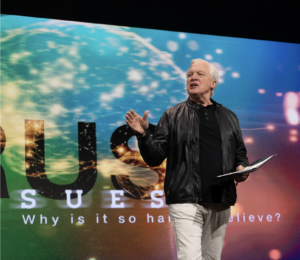

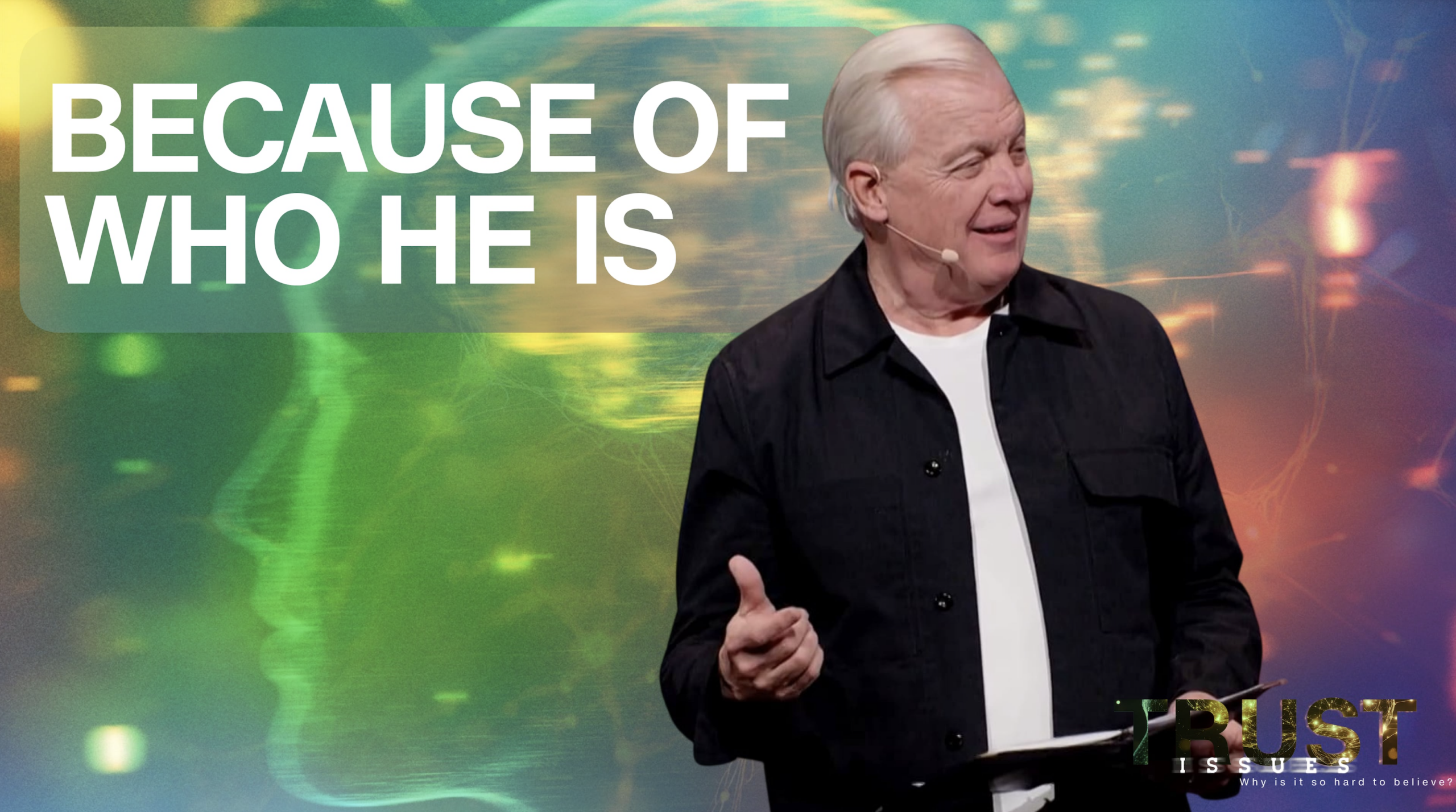
Trust is rarely instantaneous. It develops over time, shaped by reflection, experience, and a willingness to engage honestly with life’s deeper questions. In a culture marked by uncertainty and skepticism, trust can feel fragile—something easily disrupted and slow to rebuild. Scripture, however, presents trust not as passive belief but as an intentional posture rooted in seeking and understanding. From the opening pages of the Bible, trust is grounded in who God is rather than in circumstances. God is presented as eternal, powerful, and purposeful—existing beyond time and creation, yet personally involved in the world. This foundation shifts trust away from outcomes and toward character. Faith begins not with having every answer, but with recognizing that trust has an object worthy of confidence. Seeking is central to this process. Scripture repeatedly frames faith as an active pursuit—asking, searching, reflecting, and responding. Curiosity is not portrayed as doubt to be avoided but as a necessary part of growth. Thoughtful inquiry deepens faith by moving it beyond assumption into conviction. Trust matures when belief is examined rather than ignored.
Faith also invites integration rather than division. Questions of meaning and purpose are not in conflict with understanding the world around us. Reason and belief address different aspects of reality, working together to form a more complete picture of truth. Trust grows when faith engages both the mind and the heart, allowing room for complexity without losing clarity. Over time, trust becomes formative. It shapes how decisions are made, how relationships are navigated, and how uncertainty is handled. When trust is anchored in God’s character, it provides stability even when answers remain incomplete. This kind of trust does not eliminate struggle, but it offers direction—encouraging patience, humility, and continued pursuit.
The invitation of Scripture remains consistent: to seek intentionally, to reflect deeply, and to allow trust to grow through engagement rather than avoidance. Trust is not the absence of questions; it is the decision to keep seeking in the midst of them.
Discussion Questions:
1. What does trust look like in your life right now, and where do you find it most challenged?
2. How does curiosity play a role in your faith journey?
3. What does it mean for you personally to trust God’s character rather than having all the answers?
4. Where might reflection and intentional seeking help strengthen your faith?
5. What is one step you can take this week to grow in trust—spiritually, relationally, or personally?